


Ayurveda is the oldest healthcare system in the world. It is more than 5000 years old and is a part of the cultural and spiritual tradition of India. Ayurveda is a Sanskrit word and its meaning is "science of life". "Ayu" means "life" and "veda" means "knowledge".
Ayurveda traces its origin to the four Vedas during the 2-nd millenium BC.
Ancient and still alive Ayurveda has been practiced all over India and many European and North American Centres.
Being a holistic science of life, it believes that the functioning of the body is closely related to the mind and soul of the individual. Ideally speaking, the body should be free from disease, the mind should be happy and the person should be spiritually elevated. It follows that certain regimens regarding diet must be observed as also code of conduct in order to achieve a harmonious life.
Due to the lasting interest in Ayurveda the National Institute of Health, USA has recognized it as an alternative way of healing and the World Health Organization has recognized Ayurveda as a natural healthcare system. In India it is taught in colleges and students study six years according to programmes approved by the Ministry of Health.
Ayurvedic healthcare products are under the same regulations and acts as food and drugs. The principles of Good Manufacturing Practice have been strictly followed since 2000.
Ayurveda is a system for healing, prevention and longevity. It uses herbs, spices, foods, oils, essences, precious stones, colours etc. Its methods are diet, changes in life habits, detoxification of body by means of rubbing of herbalized oils into the whole body, herbal steam saunas, herbal tubes, yoga asanas, breathing exercises, mantras, meditation, etc.
Mostly Ayurveda uses well-balanced combinations of plants in synergistic formulas. The art of combining is based on strict principles. Many of the herbs influence health in more than one way. The main ingredient is the herb the action of which is closest to the required treatment result. Some of the other herbs enhance desired action while others are added to help their assimilation by means of stimulating digestion. Certain herbs stimulate cleansing processes so there is to be no accumulation of toxins.
Ayurveda and other such systems are both supplementary and complementary to modern medicine in helping to provide good health to humanity.
-
New Products
-
-
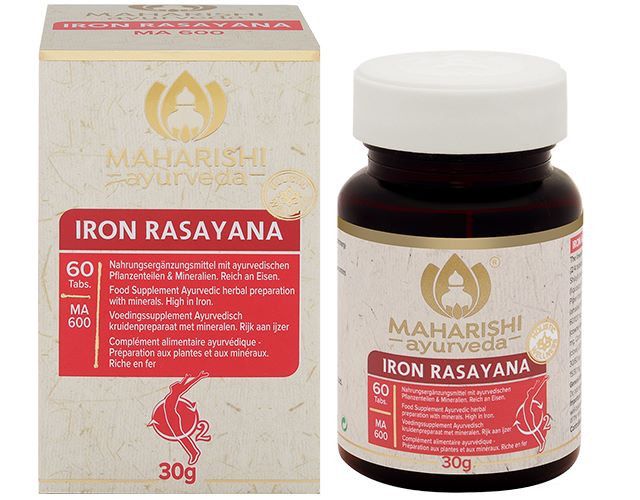
IRON RASAYANA, Maharishi Ayurveda, 60 tabs
Price: €14.82
-
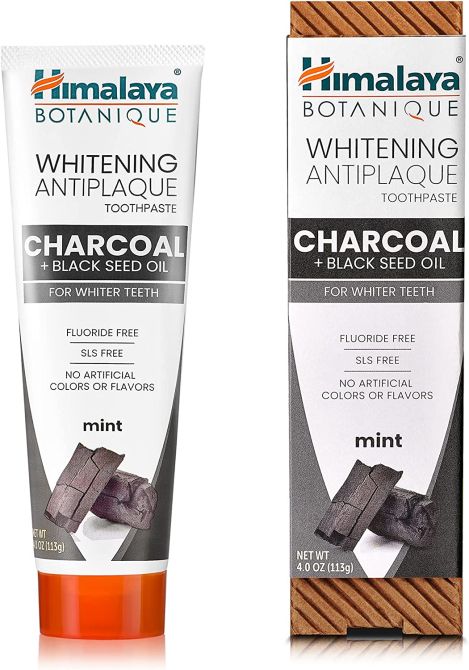
BOTANIQUE Whitening Antiplaque CHARCOAL + BLACKSEED OIL Toothpaste, Himalaya, 113 g
-15%Price: €4.47List Price:€5.26discounts infoDiscounts infoPrice: €4.47List Price:€5.26Discount: €0.79 (15.00%)
-
-
-
Promotions
-
PROMOTIONS
-
Trikatu, Matxin Labs, 60 vegetarian capsules
Price: €7.15 -
Up-lifting Face Cream, Mitvana, 50 g
Price: €9.71 -
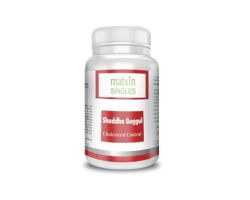
Shuddha Guggul, Matxin Labs, 60 capsules
Price: €7.15
-
-
Ayurveda
BESTSELLERS
-
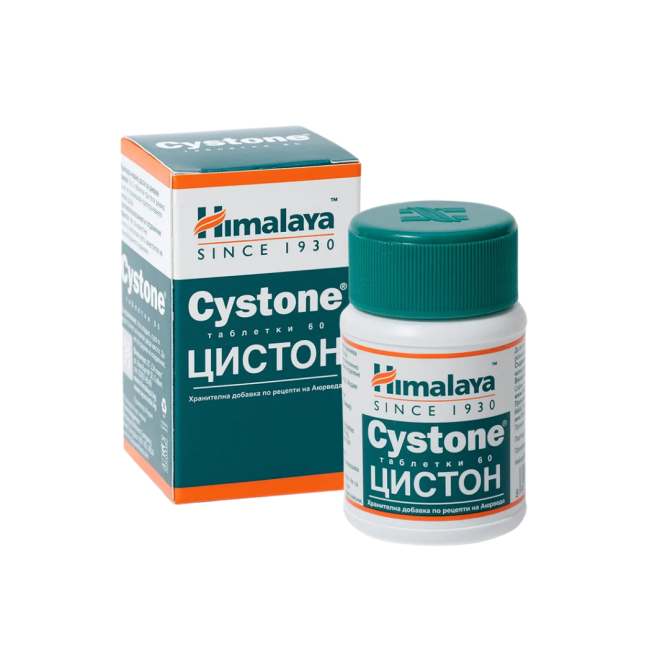
Cystone 60 Tabs, Himalaya Wellness
Price: €2.89 -
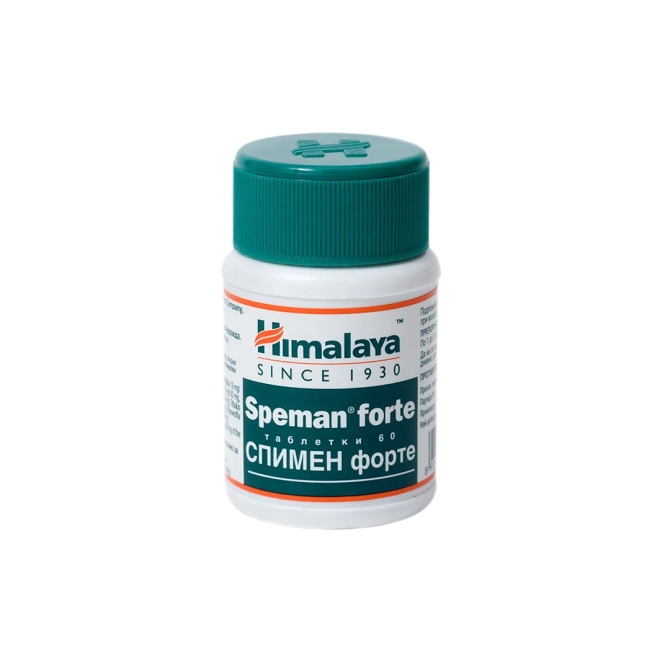
Spemen Forte, Himalaya Wellness, 60 Tabs
Price: €2.55 -
-
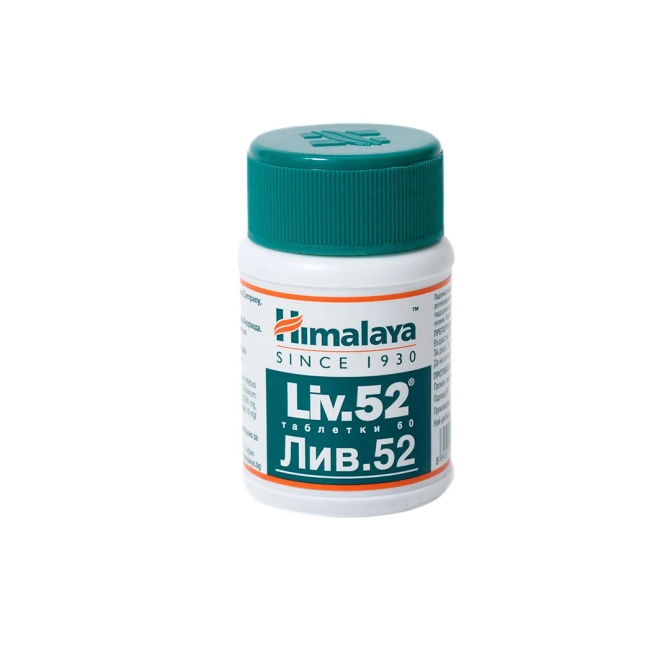
Liv.52, Himalaya Wellness
Price: €2.59 -
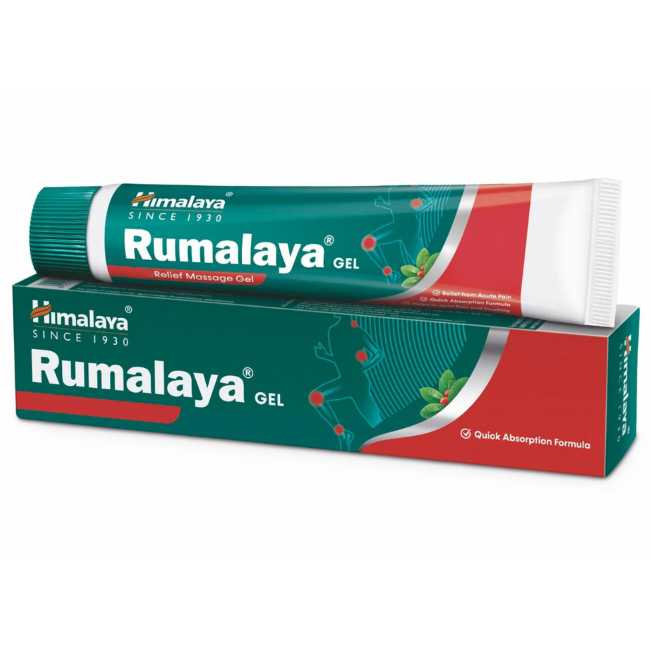
Rumalaya Gel, Himalaya Wellness, 50 g
Price: €4.85 -
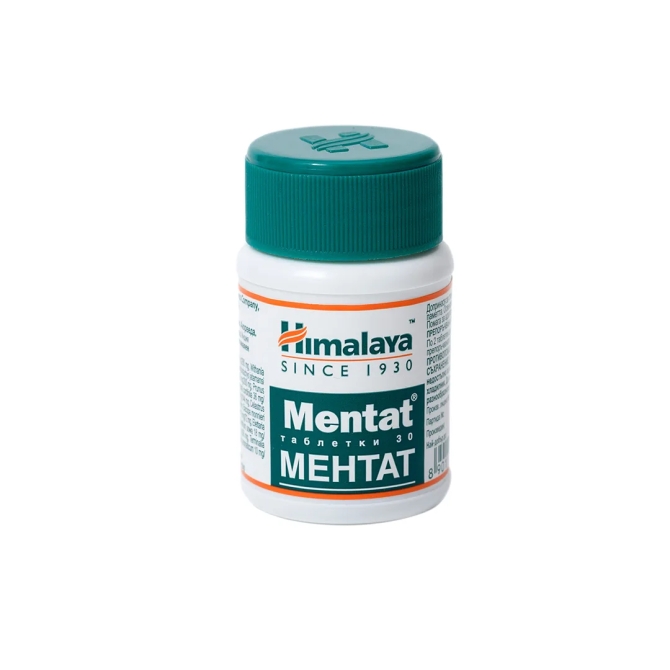
Mentat 30 Tabs, Himalaya Wellness
Price: €2.09 -
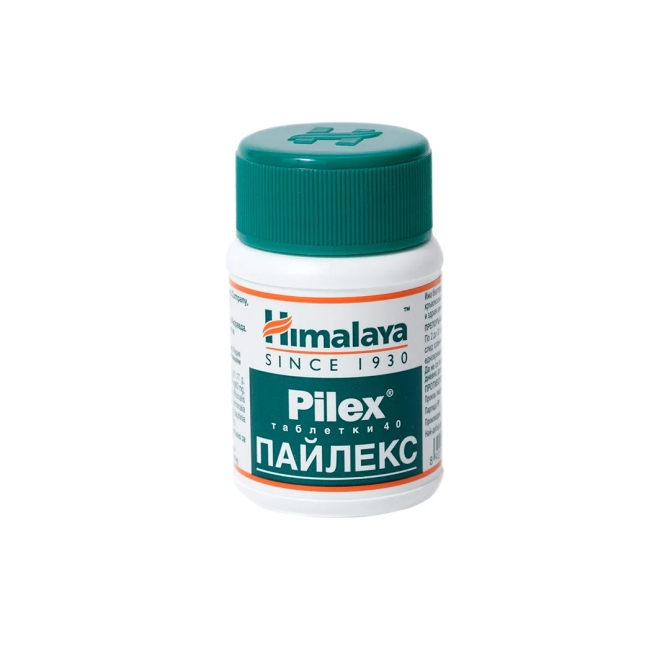
Pilex 40 Tabs, Himalaya Wellness
Price: €1.95 -
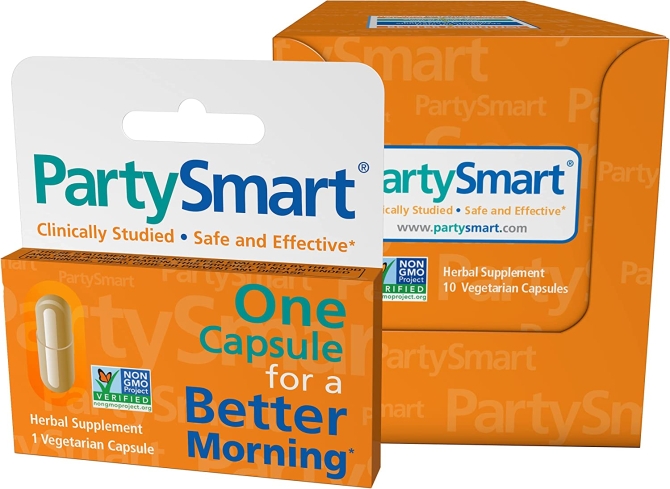
Party Smart, 1 capsule, Himalaya
Price: €1.00 -
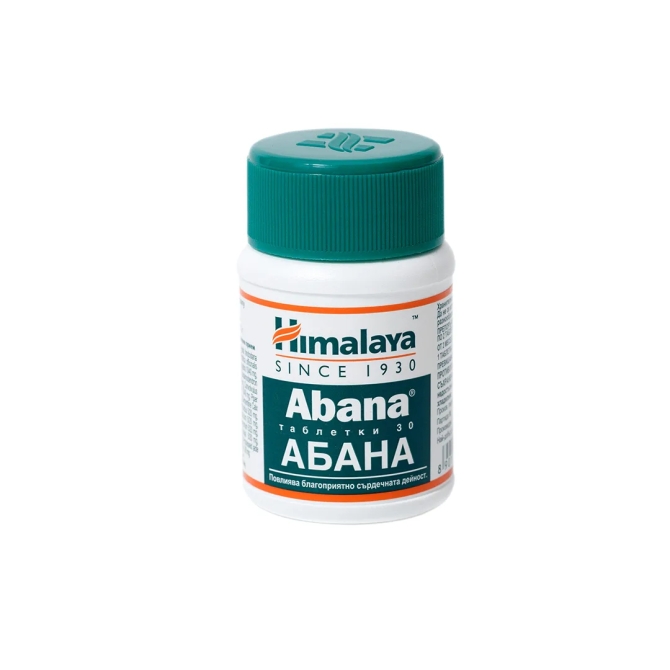
Abana, Himalaya Wellness, 30 Tabs
Price: €1.95 -
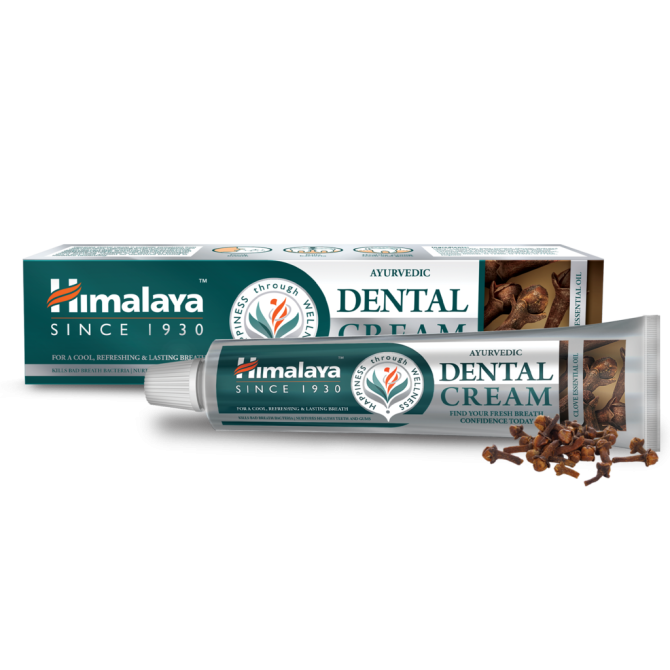
Ayurvedic Dental Cream with CLOVE esselntial oil (fluoride free)Himalaya, 100 g
-15%Price: €2.82List Price:€3.32discounts infoDiscounts infoPrice: €2.82List Price:€3.32Discount: €0.50 (15.00%) -
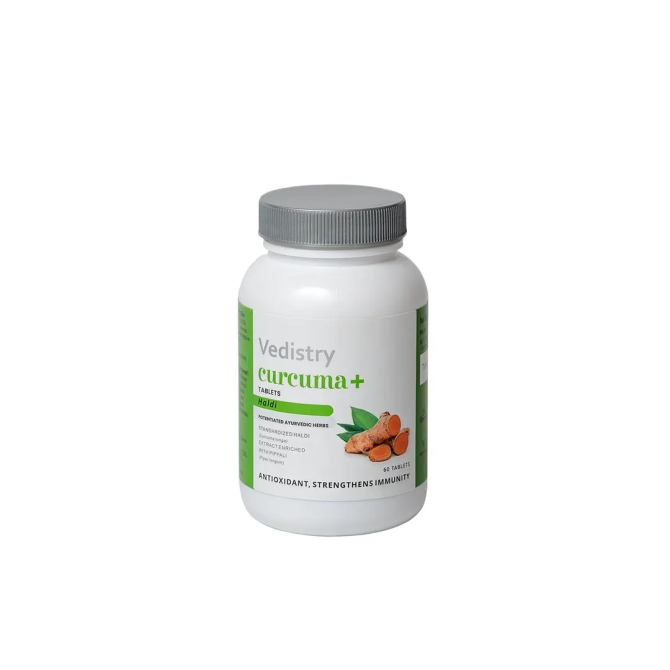
Curcuma + (Haldi + Long Pepper), Vedistry, 60 tabs, Best Before: 31.12.2026
-72%Price: €1.99List Price:€7.15discounts infoDiscounts infoPrice: €1.99List Price:€7.15Discount: €5.16 (72.17%) -

-
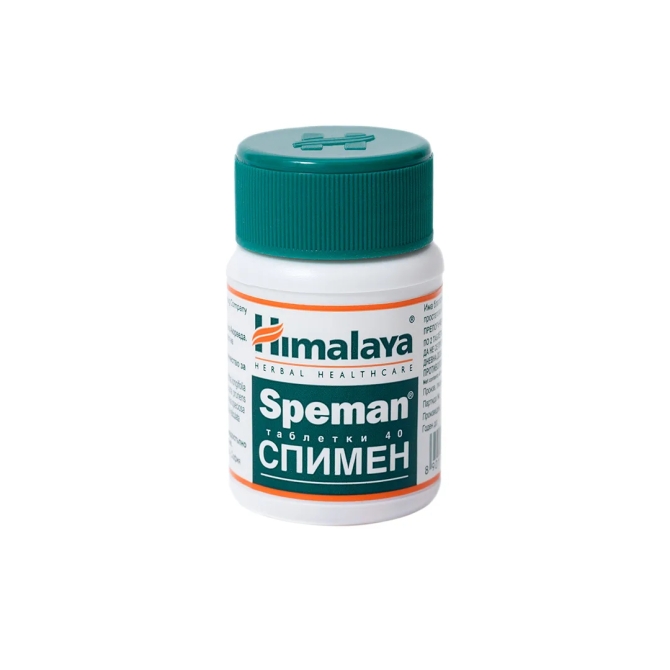
-
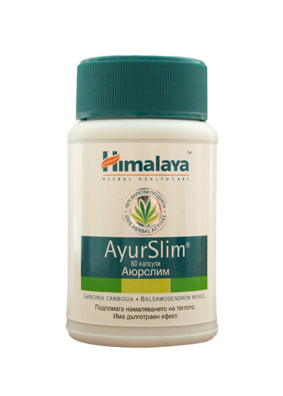
Ayurslim, Himalaya Wellness, 60 caps
Price: €6.19 -
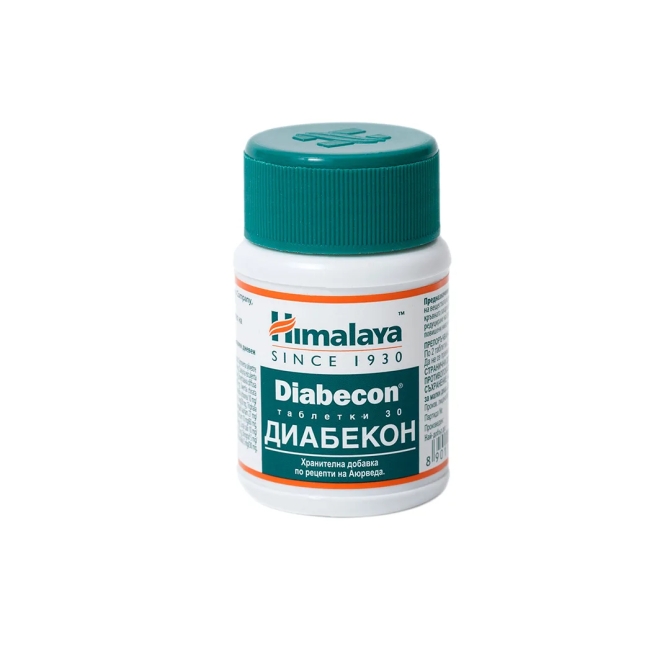
Diabecon 30 Tabs, Himalaya Wellness
Price: €2.25

Blog articles
What Is Psyllium Husk? Benefits, Uses and How to Take It
19 Aug 2026
Psyllium husk is a natural source of soluble fibre, traditionally known in India as Isabgol. Discover how it works, how to take it and why it is widel...
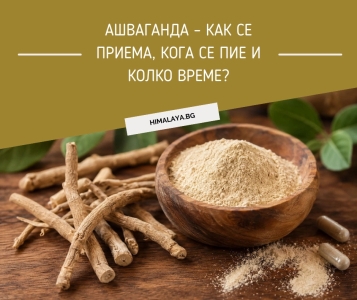
Ashwagandha – How to Take It, Dosage & How Long
17 Aug 2026
How much ashwagandha should you take per day? Discover the differences between root powder and standardized extracts, studied dosages, when to take as...
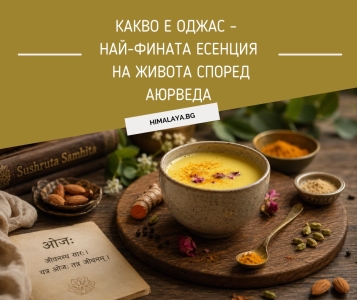
What Is Ojas and How Can We Nourish It According to Ayurveda?
29 Jul 2026
Ojas is Ayurveda’s finest vital essence—the inner reserve associated with strength, resilience, radiance, and a calm mind. Discover how Ojas is create...