




Turmeric has only recently gained widespread popularity in Bulgaria, but it has been valued in Indian cuisine and traditional medicine for thousands of years. Its root holds an important place in Ayurveda, where it has traditionally been used to support overall balance and well-being.
Turmeric is the rhizome of the leafy plant Curcuma longa, which is native to India. In recent decades, scientific interest in turmeric has increased significantly, with numerous studies examining its active compounds and potential benefits.
Below are five excellent reasons to include turmeric in your diet or use it as a food supplement.
1. Supports a Healthy Inflammatory Response
In India, turmeric has traditionally been used to support the body’s natural response to inflammatory processes.
Inflammation is a normal protective mechanism that helps the body respond to stress, injury, or irritation. Short-term inflammation can support recovery, but when inflammatory processes persist for too long, they may affect the normal function of tissues and systems.
Curcumin, the natural plant compound that gives turmeric its distinctive golden-yellow colour, is widely studied for its role in supporting a balanced inflammatory response.
2. Provides Antioxidant Protection
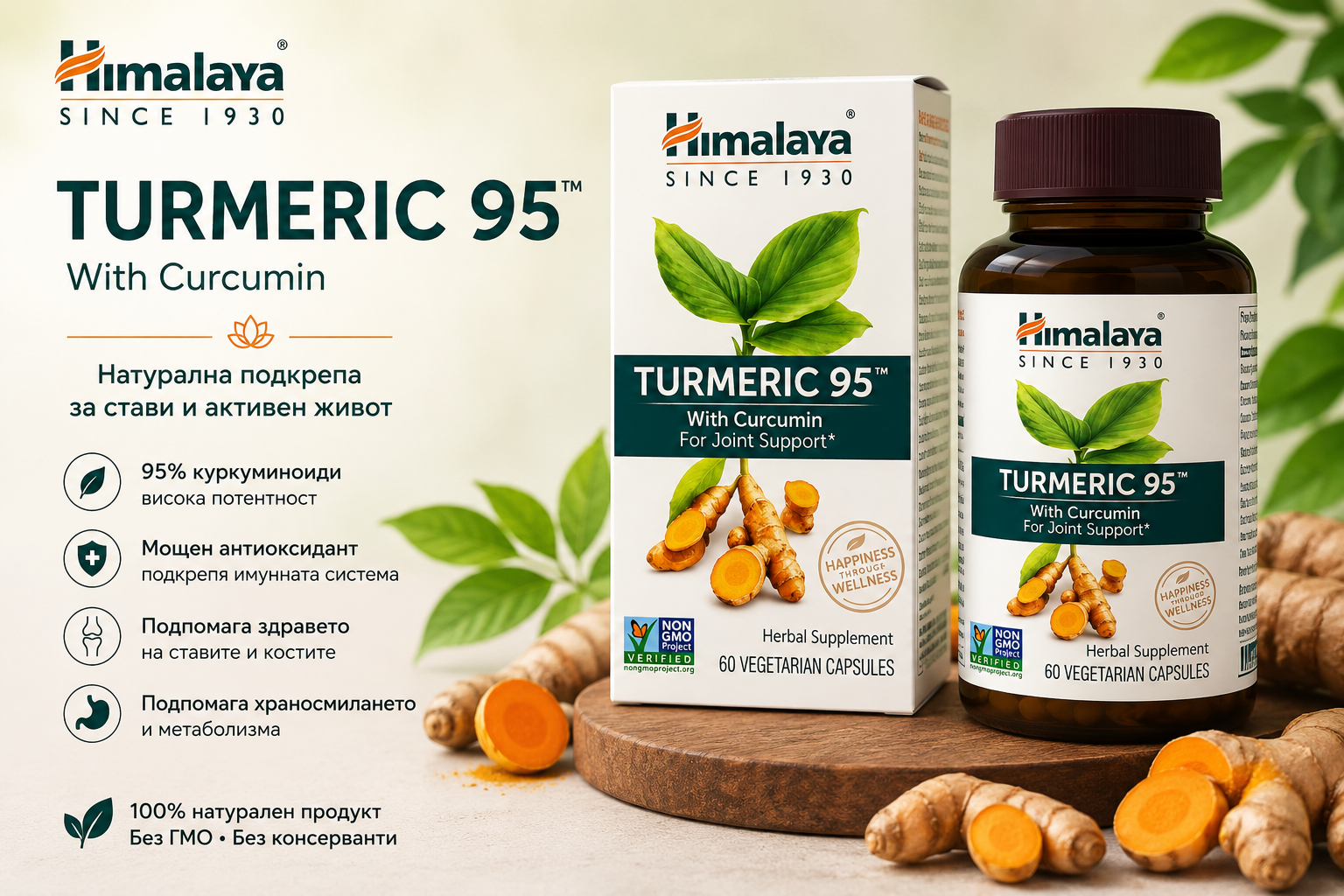
Turmeric is a natural source of antioxidant compounds. Antioxidants help protect cells from oxidative stress caused by free radicals. They also contribute to the normal function of the immune system and support the body’s natural defence mechanisms. For this reason, turmeric is often included in herbal formulas designed to support general vitality and long-term well-being.
3. Supports Joint Health and Mobility
One of the most popular uses of turmeric is to support the joints. Curcumin helps maintain joint comfort, flexibility, and normal mobility. Turmeric may be especially suitable for physically active people, older adults, and those whose joints are exposed to regular strain. Its traditional use in Ayurveda also makes it a popular ingredient in formulas intended to support the musculoskeletal system.
4. Supports Normal Immune Function
For thousands of years, turmeric has been used in Ayurvedic practice to support the body’s natural protective response. It is often combined with other herbs such as neem, tulsi, boswellia, ginger, or long pepper in complex Ayurvedic formulations. Thanks to its antioxidant properties, turmeric contributes to the protection of cells and supports the normal function of the immune system.
5. Supports Healthy Digestion
According to Ayurveda, good digestion is one of the foundations of overall health. Turmeric has traditionally been used to support the normal function of the stomach, liver, intestinal tract, and digestive system. It may also help maintain digestive comfort and normal bile production.
For this reason, turmeric is frequently included in herbal formulas for digestion, metabolism, and liver support.
What Is Curcumin?
Curcumin is one of the main active plant compounds naturally present in turmeric. It is responsible for turmeric’s characteristic yellow colour and many of its antioxidant properties. The amount of curcumin can vary depending on the type of turmeric and the method of processing. This is why food supplements may contain either whole turmeric root powder, concentrated turmeric extract, or standardised curcumin extract.
How Is Turmeric Best Absorbed?
Curcumin naturally has relatively low bioavailability, which means that the body absorbs only a small amount of it. For this reason, turmeric supplements are sometimes combined with black pepper extract, also known as piperine, or are produced using specialised forms designed to improve absorption. When choosing a turmeric supplement, it is useful to consider not only the amount of turmeric but also the form of the extract and the recommended daily intake.
How Can Turmeric Be Taken?
Turmeric can be included in the daily routine in several ways:
- as a spice in meals;
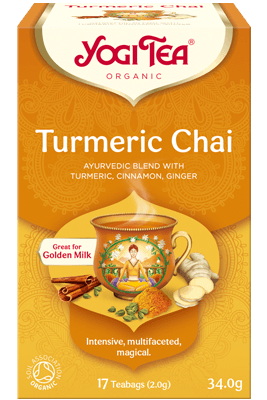
- in herbal tea or golden milk;
- as turmeric root powder;
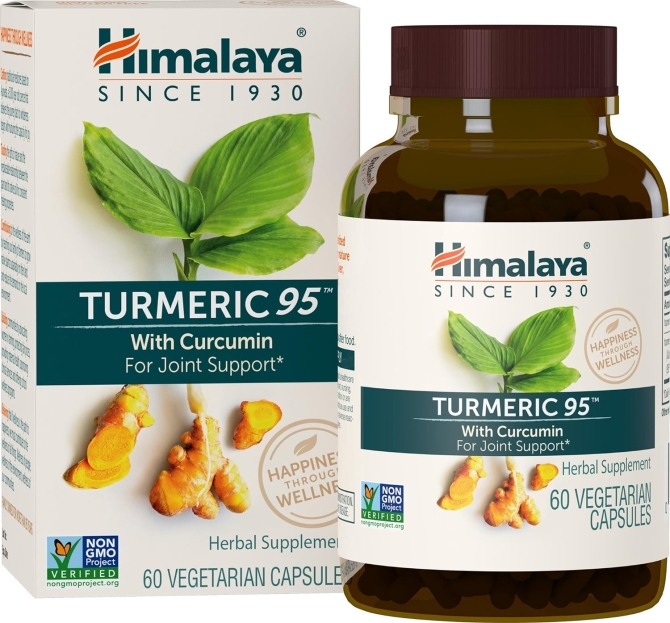
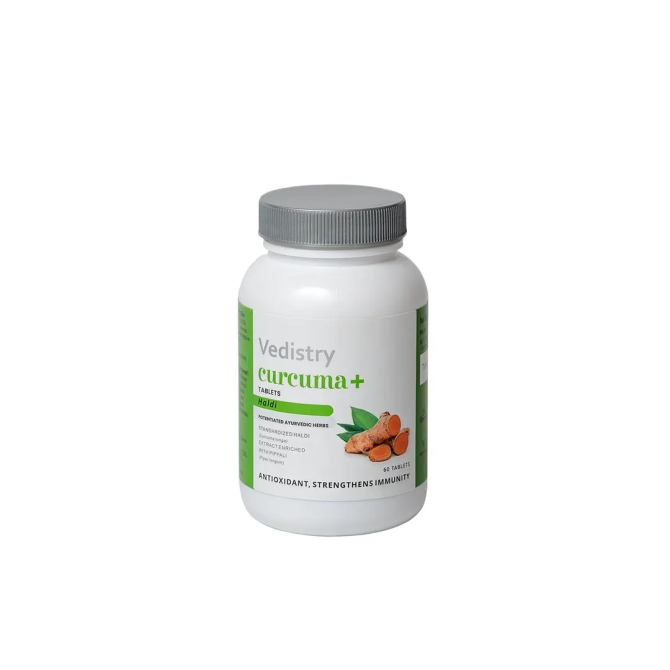
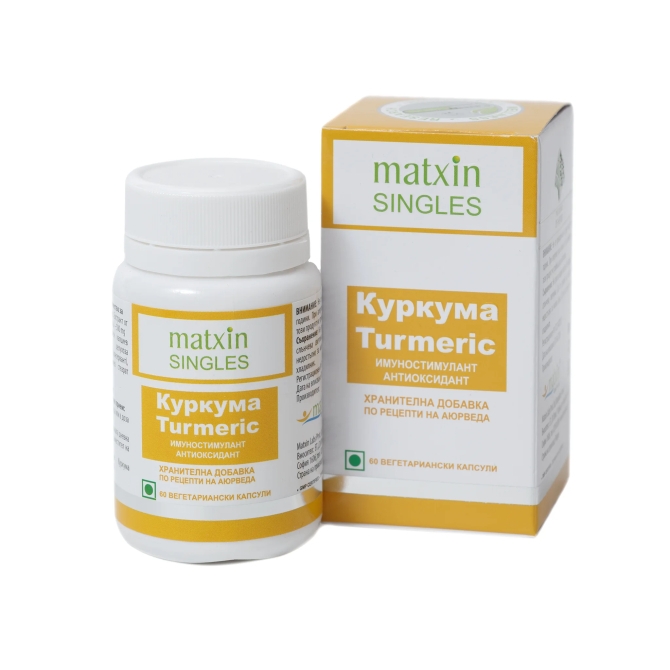
- in capsules or tablets;
- as part of a combined Ayurvedic formula.
Food supplements should always be taken according to the instructions on the product label.
Products Containing Turmeric
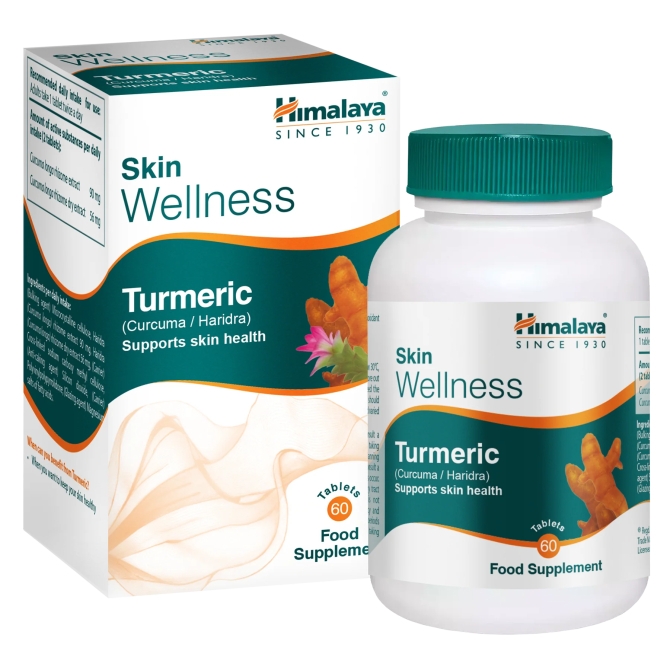
Turmeric is included in a number of Himalaya products, including:
Food Supplements
Syrups and Lozenges
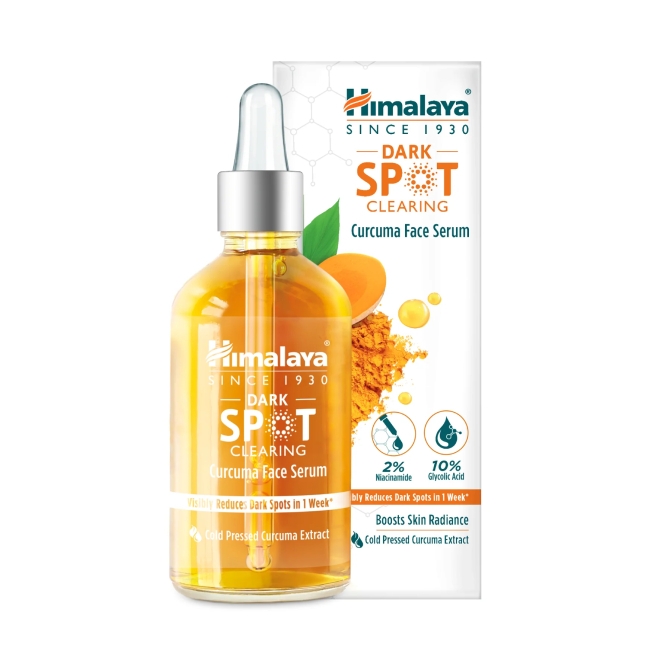
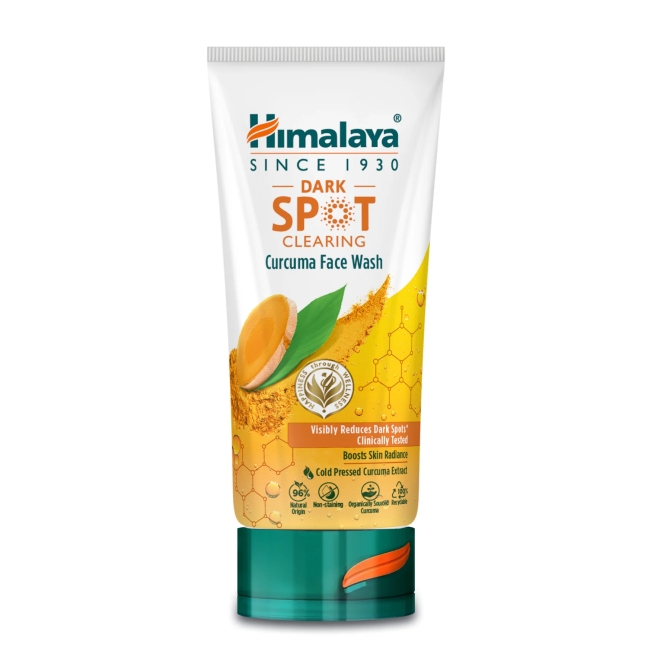
Skin-Care Products
Turmeric may also be present in other herbal and cosmetic formulations.
Frequently Asked Questions
- What are the main benefits of turmeric?: Turmeric supports antioxidant protection, normal immune function, joint health, mobility, and healthy digestion.
- What is the difference between turmeric and curcumin?: Turmeric is the whole root of the Curcuma longa plant. Curcumin is one of the naturally occurring active compounds found in turmeric.
- Is turmeric suitable for joint health?: Turmeric is commonly used to support joint comfort, flexibility, and normal mobility.
- Can turmeric be taken every day?: Turmeric can be included in the daily diet as a spice. When taken as a food supplement, the recommended dosage on the label should be followed.
- When is the best time to take turmeric?: The ideal time depends on the specific product. Many turmeric supplements are taken with food, but the instructions on the packaging should always be followed.















Post comment