





Ear pain is an unpleasant and sometimes quite intense symptom that can have many different causes. Inflammation of the outer or middle ear, earwax build-up, trapped water, sinus or throat problems, and even dental issues can cause pain that is felt in the ear.
Ayurveda includes various traditional practices for ear care, with herbal and plant oils playing an important role.
One interesting home approach is described by the renowned Ayurvedic physician Dr. Vasant Lad in his book The Complete Book of Ayurvedic Home Remedies.
What Does Dr. Vasant Lad Recommend for Ear Pain?
Dr. Vasant Lad recommends first gently pulling the fleshy part of the painful ear. If this increases the pain, he suggests that it may indicate otitis externa – inflammation of the outer ear canal.
Tenderness when the outer ear is moved can indeed occur with otitis externa, although this sign alone is not sufficient to make a diagnosis.
For this type of discomfort, Dr. Lad describes a traditional combination of sesame oil and tea tree oil, to which neem oil may also be added.
Traditional Oil Blend According to Dr. Vasant Lad
According to the recipe, add to:
30 g of sesame oil:
- 10–20 drops of tea tree oil;
- optionally, 10–20 drops of neem oil.
Mix the oils thoroughly.
Pure tea tree oil should not be used directly but diluted with sesame oil. In Dr. Lad's original recommendation, a few drops of the prepared oil blend are carefully placed into the ear canal of the affected ear.
Sesame oil holds a special place in Ayurveda and is traditionally used as a base oil in numerous practices. Neem is another highly valued Ayurvedic plant and is included in a wide variety of traditional formulations.
Important Safety Information
The recipe above is a traditional Ayurvedic home practice described by Dr. Vasant Lad and should not be considered a modern medical recommendation for the treatment of otitis.
Do not put oils, essential oils or other liquids into the ear canal if there is discharge or bleeding from the ear, suspected eardrum perforation, ventilation tubes in place, or a history of ear surgery.
Medical attention is recommended if the pain is severe or persistent, or is accompanied by fever, hearing loss, dizziness or discharge from the ear. Particular care should be taken with children, as the cause of ear pain should ideally be assessed by a healthcare professional.
Why Are Oils So Important in Ayurveda?
The use of oils is characteristic of many Ayurvedic practices. They are used for body and scalp massage as well as in traditional practices for the care of the nose and ears.
Ayurveda associates dryness and sensitivity in the body primarily with the qualities of Vata dosha, while warm plant oils are traditionally used as part of practices intended to balance Vata.
Sesame oil is one of the most commonly used oils in classical Ayurveda due to its traditionally recognized warming and nourishing qualities.
Supporting the Body's Natural Defences
Alongside traditional external care, attention can also be given to supporting the body as a whole.
Food supplements, however, do not treat otitis and should not replace medical assessment or prescribed treatment. They may be used as part of general care to support the normal function of the immune system.
1. Turmeric
Turmeric is one of the most popular herbs in both Ayurveda and modern nutrition. Its main bioactive compounds are curcuminoids.
Turmeric can be included as part of everyday wellness care and helps support the normal protective response of the immune system.
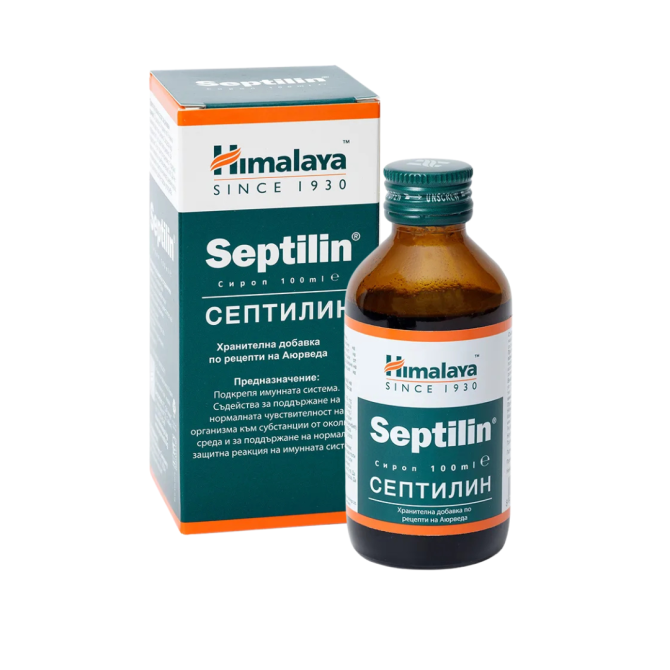
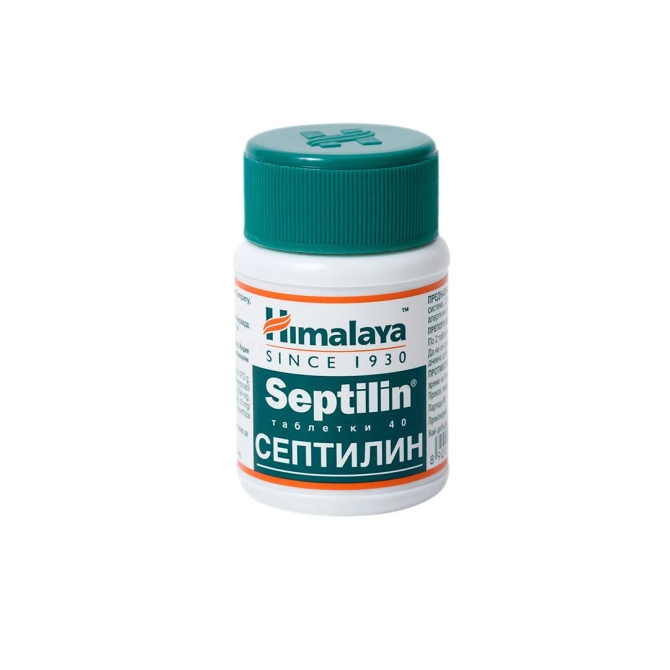
2. Septilin
Septilin is a complex herbal formulation by Himalaya developed to support the normal function of the immune system.
Its combination of herbal ingredients is intended to support the body's natural defence mechanisms and can be used as part of everyday immune care.
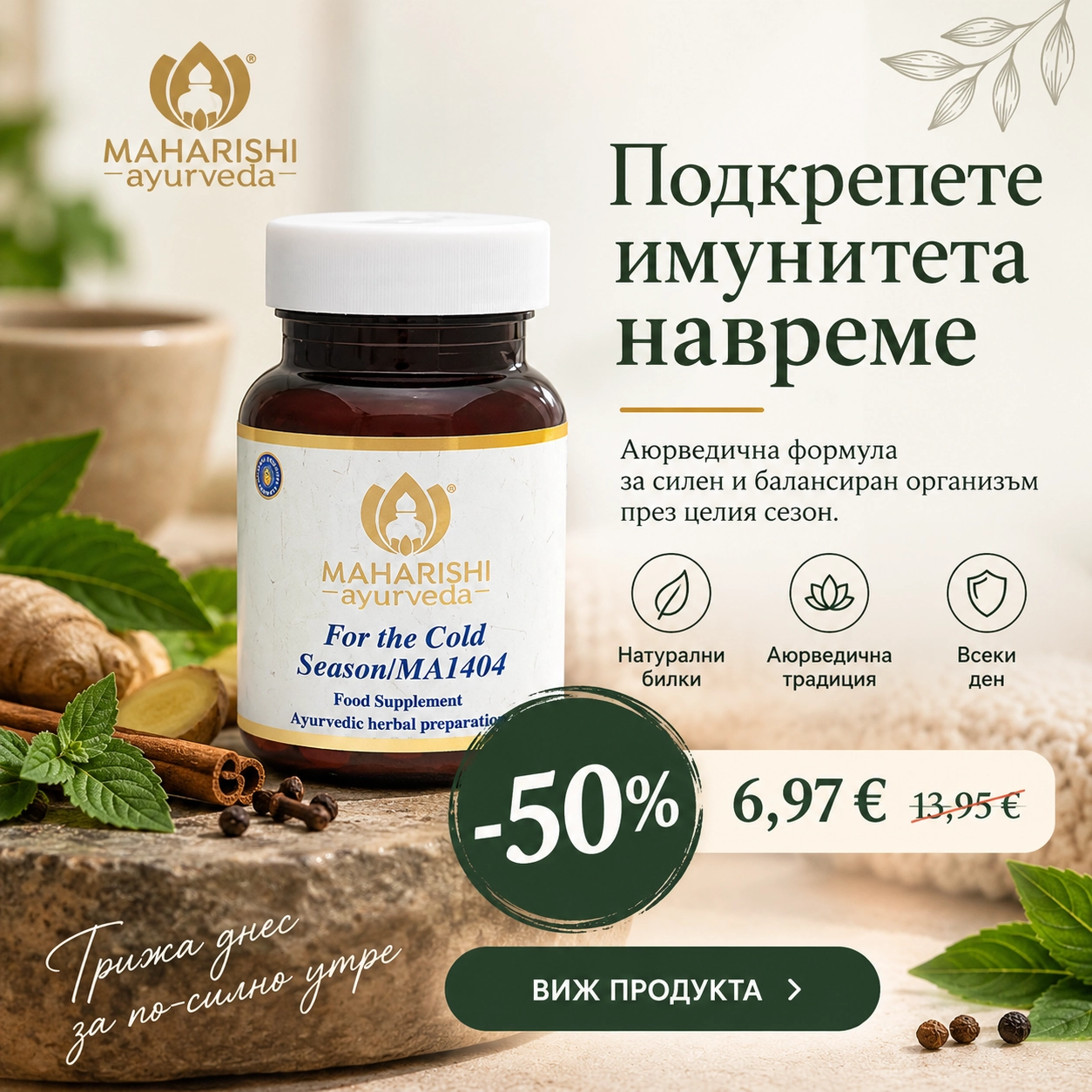
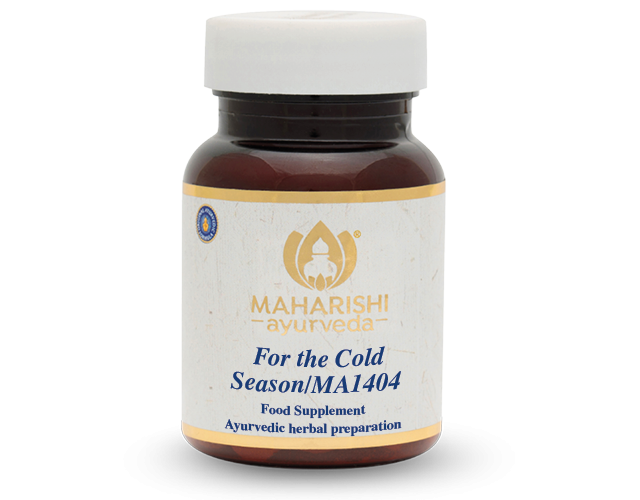
3. For the Cold Season
For the Cold Season by Maharishi Ayurveda is a complex Ayurvedic herbal formulation designed to support the body during the colder months.
Its formula includes Tulsi (Holy Basil), Hyssop, Pistacia integerrima, Licorice, Pippali, Galangal, Black Pepper and other herbal ingredients. These plants have traditionally been used in Ayurveda in formulations aimed at supporting the respiratory system and the body's natural defences.
When Does Ear Pain Require Medical Attention?
Ayurvedic home practices can be an interesting part of traditional care, but with ear pain it is important to understand its underlying cause.
Medical advice is particularly important in cases of:
- severe or increasing pain;
- high fever;
- discharge or bleeding from the ear;
- sudden hearing loss;
- severe dizziness;
- swelling or redness around the ear;
- symptoms that persist or become worse.
For young children, medical assessment should be sought more readily.
Ayurveda and Modern Ear Care
Ayurveda has a centuries-old tradition of using plant oils and herbs to support balance and everyday wellbeing. Dr. Vasant Lad's recipe is one example of how this traditional knowledge continues to be passed down today.
Modern healthcare allows us to add something important to these traditions – knowing when home care may be appropriate and when symptoms require medical diagnosis and treatment.
Traditional Ayurvedic practices and modern medicine therefore do not necessarily need to contradict one another. The important thing is to understand when and how each approach should be used.
Source for the traditional Ayurvedic recipe:
Dr. Vasant Lad, The Complete Book of Ayurvedic Home Remedies.
Note: This article is for educational purposes only and does not replace professional medical advice, diagnosis or treatment.









Post comment