




Latin name: Curcuma longa Linn. (Zingiberaceae)
Sanskrit/Indian names: Haridra, Rajani, Nisha, Haldi, Halada
🌿 What is Turmeric?
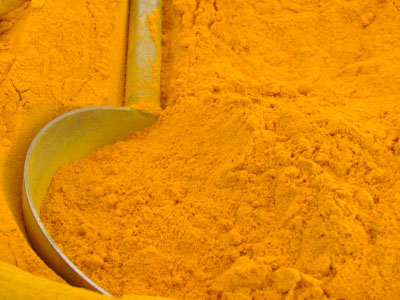
Turmeric is one of the most important herbs in Ayurvedic medicine, easily recognized by its bright yellow color and powerful healing properties. The root of the plant is used both fresh and dried.
The main active compound in turmeric is curcumin, known for its strong antioxidant and anti-inflammatory effects. Because of this, turmeric is widely used for both internal health support and external (cosmetic) applications.
💪 Key Benefits of Turmeric
- Supports digestion and acts as a natural carminative
- Helps protect against stomach issues and ulcers
- Has strong anti-inflammatory properties
- Relieves pain, including joint and muscle discomfort
- Supports respiratory health
- Helps lower cholesterol levels
- Improves skin tone and overall skin condition
🫁 Support for the Body
Turmeric is traditionally used for:
- respiratory conditions
- liver health support
- inflammatory disorders
- skin problems
It also supports the body’s natural detox processes and helps protect cells from oxidative stress.
🧴 Applications in Products
Turmeric is widely used in both dietary supplements and cosmetic products. It can be found in:
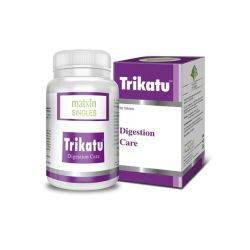
- supplements for metabolic and immune support
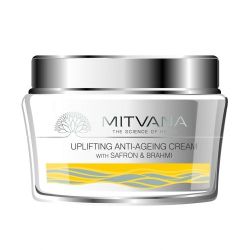
- skincare products (anti-aging creams, cleansing gels, face masks)
- foot care products
- Ayurvedic formulas for detox and overall wellness
It is often combined with other herbs such as neem to enhance its benefits for the skin and body.











Post comment