






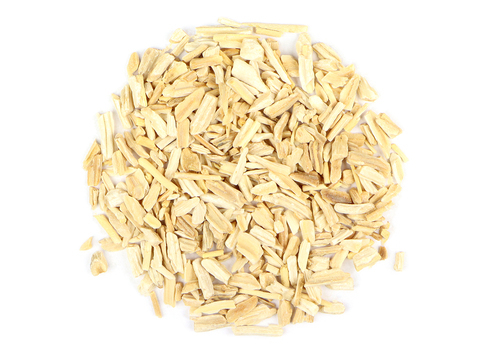
Latin name: Asparagus racemosus Willd (Liliaceae)
Sanskrit: Shatavari, Satavar, Satmuli
The name “Shatavari” comes from Sanskrit and literally means “the one who has a hundred husbands” — a symbolic reference to its powerful ability to support female vitality, fertility, and hormonal balance.
🌸 Traditional Use Through the Centuries
Shatavari is one of the most valued herbs in Ayurvedic medicine. Since ancient times, its roots have been used in a variety of ways:
Candied tubers consumed as a natural sweet treat
Fresh root juice mixed with honey to strengthen the body
Applied topically in medicinal oils for its cooling and soothing properties
Used by breastfeeding mothers to support milk production
The dried root is rich in natural sugars, mucilage, and minerals, which help protect and soothe the stomach lining.
💚 Key Health Benefits
✔ Hormonal Balance
Supports the regulation of hormonal secretion and is especially beneficial for menstrual irregularities and menopause.
✔ Fertility Support
Traditionally used to enhance female reproductive health and fertility.
✔ Lactation Support
Naturally stimulates breast milk production.
✔ Digestive Health
Helps relieve gastritis, heartburn, and ulcers by protecting the stomach lining.
✔ Natural Diuretic
Supports the reduction of fluid retention in the body.
🌱 Where It Is Found
Shatavari is included in a number of Ayurvedic formulations designed to support different aspects of health:
Abana – for cardiovascular health
Diabecon – for maintaining healthy blood sugar levels
Menosan – for menopause support
Evecare – for female reproductive health
Geriforte – for stress relief and vitality
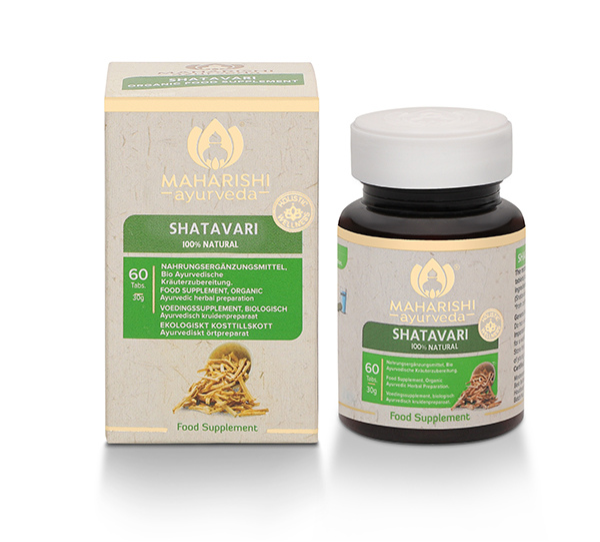
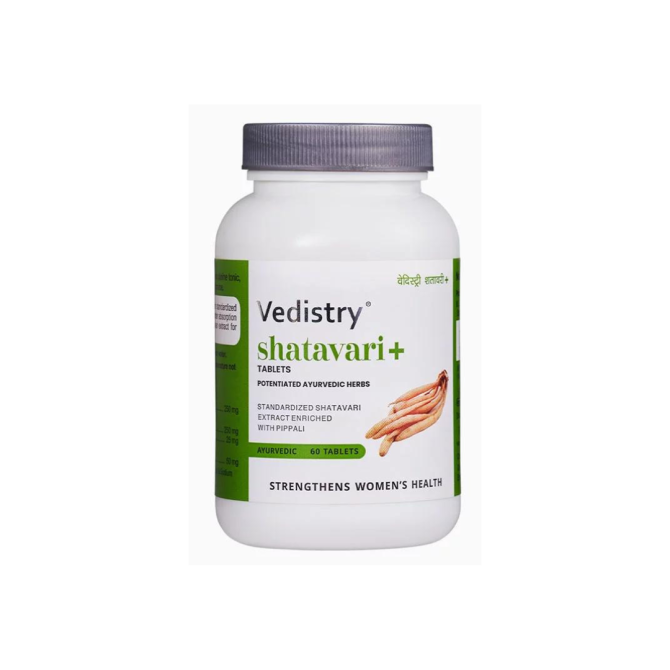
Shatavari – a dedicated formula for women’s health
✨ Conclusion
Shatavari is more than just an herb — it is a powerful ally for women’s health. With its proven benefits for hormonal balance, reproductive support, and digestive wellness, it remains an essential part of both traditional and modern natural medicine.









Post comment