



After the season of rich meals, heavier foods and less physical activity, spring naturally makes us crave a sense of lightness. It is a good time to pay more attention to our diet, movement and daily habits – as well as to one of the most important organs involved in metabolism: the liver. The liver performs hundreds of functions in the body. It is involved in processing nutrients, metabolising fats and carbohydrates, and processing and eliminating various substances. This is why taking care of your liver does not necessarily mean following a strict “detox” programme. What matters much more are the everyday habits that support its normal function.
Why Do We Associate Spring with Detoxification?
Spring is traditionally regarded as a season of renewal. The days become longer, fresh seasonal foods become more abundant, and we naturally tend to become more active. Seasonal changes also have a special significance in traditional systems of health. In Ayurveda, the transition from winter to spring is a time when lighter foods, more movement and a gradual release of the heaviness accumulated during winter are traditionally recommended. In Traditional Chinese Medicine, spring is associated with the Wood element and with the liver and gallbladder. Regardless of tradition, the idea can be very practical: spring is a good time to reduce excesses and return to a more balanced way of eating.
The Liver and the Body’s Natural Cleansing Processes
The body has its own mechanisms for processing and eliminating substances it does not need, and the liver plays a central role in these processes. Instead of thinking of “detoxification” as a short and restrictive programme, it makes more sense to focus on habits that support the body’s normal functions:
- a varied and balanced diet;
- more vegetables and other fibre-rich foods;
- regular physical activity;
- maintaining a healthy body weight;
- limiting alcohol consumption;
- reducing highly processed foods and excess added sugars;
- drinking enough water.
What About Fatty Liver?
Fatty liver disease involves an excessive accumulation of fat in liver cells. The condition often develops without obvious symptoms, which is why it cannot be identified simply by signs such as a coated tongue, bad breath, headaches or skin problems. Factors associated with an increased risk include excess body weight, insulin resistance, type 2 diabetes, metabolic syndrome and abnormal blood lipid levels. If a liver problem is suspected, the appropriate approach is to consult a doctor and undergo the necessary tests rather than relying on self-treatment with “detox” programmes.
Foods for a Balanced Spring Diet
-
Nuts: Walnuts, almonds and other nuts provide unsaturated fatty acids, fibre, vitamins, minerals and other bioactive compounds. They can be part of a varied diet but are best consumed in moderation due to their high energy content.
-
Leafy Green Vegetables: Spinach, rocket, lettuce, sorrel and other seasonal leafy greens are an excellent way to add more variety, fibre and plant compounds to your diet.
-
Whole Grains: Oats, barley, brown rice, millet and other whole grains provide fibre and can be part of a healthy and balanced diet.
-
Fruit and Vegetables: Apples, citrus fruits, avocados and seasonal fruits and vegetables can all have a place in your spring menu. There is no need to search for one particular “detox food” – variety is far more important.
-
Garlic: Garlic is traditionally used in cooking and contains a range of bioactive compounds. Rather than viewing it as a way to “cleanse the liver”, we can simply include it as part of a varied everyday diet.
Ayurvedic Herbs and Liver Care
Ayurveda traditionally uses a variety of plants and herbal combinations as part of a holistic approach to diet and lifestyle. Plants found in traditional formulations include chicory (Cichorium intybus), yarrow (Achillea millefolium), Andrographis paniculata, Phyllanthus niruri, Capparis spinosa, turmeric, aloe, Triphala and Guduchi. However, it is important to distinguish between the traditional use of a herb and a proven medical effect. Food supplements are not a substitute for a varied diet, medical diagnosis or prescribed treatment.
Small Changes Matter More Than a Short “Detox”
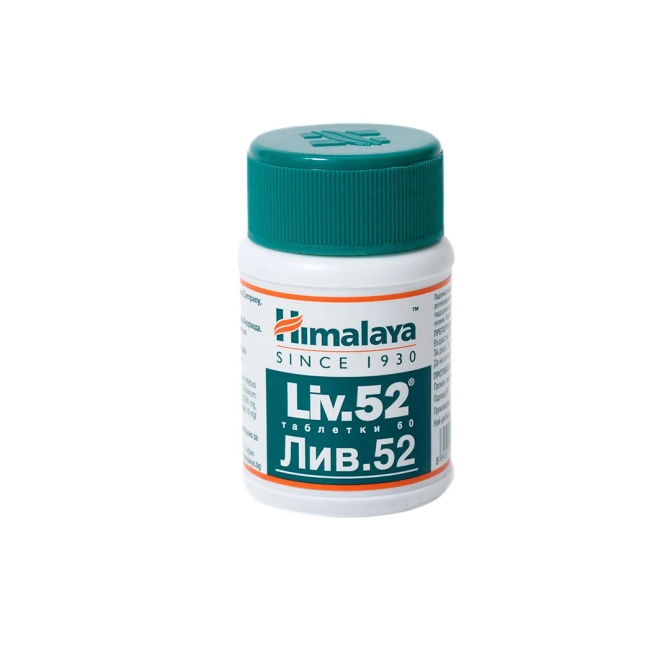
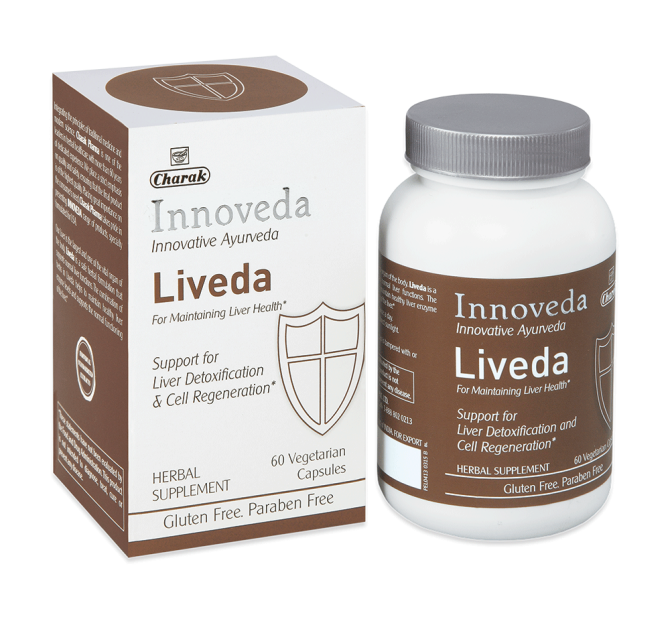
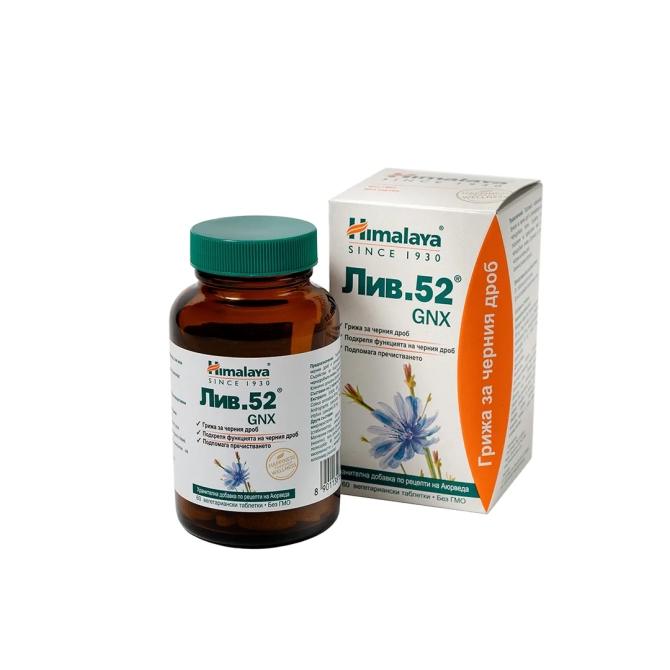
Taking care of your liver does not require fasting or extreme regimes. A better approach is to gradually reduce dietary excesses and make more room for vegetables, whole grains, moderate amounts of nuts, physical activity and adequate rest. Spring simply gives us a wonderful reason to begin. At Himalaya.bg, you can discover Ayurvedic products such as Liv.52 and Liv.52 GNX by Himalaya and Liveda by Charak, designed to complement your everyday liver care routine.






Post comment