





What Is Ginger? Benefits, Uses and Its Role in Ayurveda
Ginger is one of the world's most popular medicinal herbs and culinary spices. With its distinctive spicy flavour and refreshing aroma, it has become an essential ingredient in cuisines across Asia and beyond. However, its true value lies in its thousands of years of use in traditional medicine.
In Ayurveda, ginger (Zingiber officinale) is regarded as one of the most important herbs for supporting healthy digestion and maintaining internal balance. It is known as "Vishvabheshaja", meaning "the universal medicine," because it has traditionally been included in numerous Ayurvedic formulations designed to promote everyday wellness.
Today, ginger is among the most extensively researched medicinal plants, and its bioactive compounds continue to attract significant scientific interest.
Traditional Uses of Ginger
Ginger has been used for more than 5,000 years as both a food and a medicinal herb. Native to Southeast Asia, it gradually spread throughout India, China, the Middle East and Europe, where it became one of the world's most highly prized spices.
In Ayurveda, ginger has traditionally been used to support Agni, the digestive fire that is considered the foundation of good health according to ancient Indian medicine. For this reason, ginger is commonly included in herbal formulations designed to promote digestive comfort, healthy digestion and optimal nutrient absorption.
In Traditional Chinese Medicine, ginger is regarded as a warming herb and has long been used during the colder months to support the body's natural defences and maintain respiratory comfort.
What Does Modern Science Say?
Over the past few decades, ginger has become one of the most extensively studied medicinal plants. Scientific research has focused primarily on its naturally occurring bioactive compounds, including gingerols, shogaols, zingerone, and essential oils.
Numerous studies continue to investigate ginger's potential role in supporting:
- healthy digestion;
- stomach comfort during nausea and travel;
- the body's natural inflammatory response;
- antioxidant protection against oxidative stress;
- joint comfort and mobility.
Because of these properties, ginger remains an important subject of ongoing scientific research, with growing interest in its potential health-supporting effects.
What Is Ginger?
Ginger (Zingiber officinale Roscoe) is a perennial flowering plant belonging to the Zingiberaceae family. The part most commonly used is its underground stem, known as the rhizome, which is naturally rich in essential oils and valuable plant compounds.
In addition to its medicinal use, ginger is one of the world's most widely consumed spices and is a staple ingredient in Indian, Chinese, Thai and Japanese cuisine.
A Brief History
The history of ginger dates back more than five millennia to India and China. Through ancient trade routes, it reached the Middle East and Europe during antiquity, where it quickly became one of the most valuable spices of its time.
In ancient civilizations, ginger was so highly prized that it was often traded alongside the world's most expensive spices.
What Are Ginger's Main Active Compounds?
Ginger's beneficial properties are attributed to its rich natural composition. Among its most important bioactive compounds are:
- gingerols;
- shogaols;
- zingerone;
- essential oils;
- flavonoids;
- antioxidants;
- B-complex vitamins;
- vitamin C;
- potassium;
- magnesium.
Together, these naturally occurring compounds give ginger its characteristic flavour and aroma while contributing to its long-standing reputation in both traditional herbal medicine and modern scientific research.
Key Benefits of Ginger
Traditionally, ginger has been used to:
support healthy digestion;
promote stomach comfort during nausea and travel;
soothe the throat and support respiratory comfort;
help maintain the body's natural inflammatory response;
support joint comfort and mobility;
provide antioxidant protection against oxidative stress.
Why Is Ginger So Highly Valued in Ayurveda?
In Ayurveda, ginger is considered one of the primary herbs for maintaining strong Agni—the digestive fire responsible for efficient digestion, nutrient absorption and vitality.
Traditionally, ginger is believed to help balance Vata and Kapha doshas, gently warm the body and support healthy digestive processes. As a result, it is included in numerous classical Ayurvedic formulations designed to promote everyday wellness and overall balance.
Which Himalaya, Charak, Matxin and Maharishi Ayurveda Products Contain Ginger?
Ginger is an important ingredient in a wide range of Ayurvedic formulations developed to support different aspects of health.
Digestive Support
- Gasex
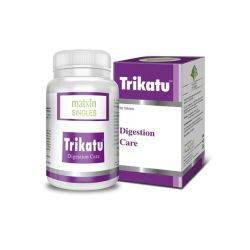
- Trikatu
- Alzarex
- AyurAchi Balance
Respiratory Support
- Septilin Tablets
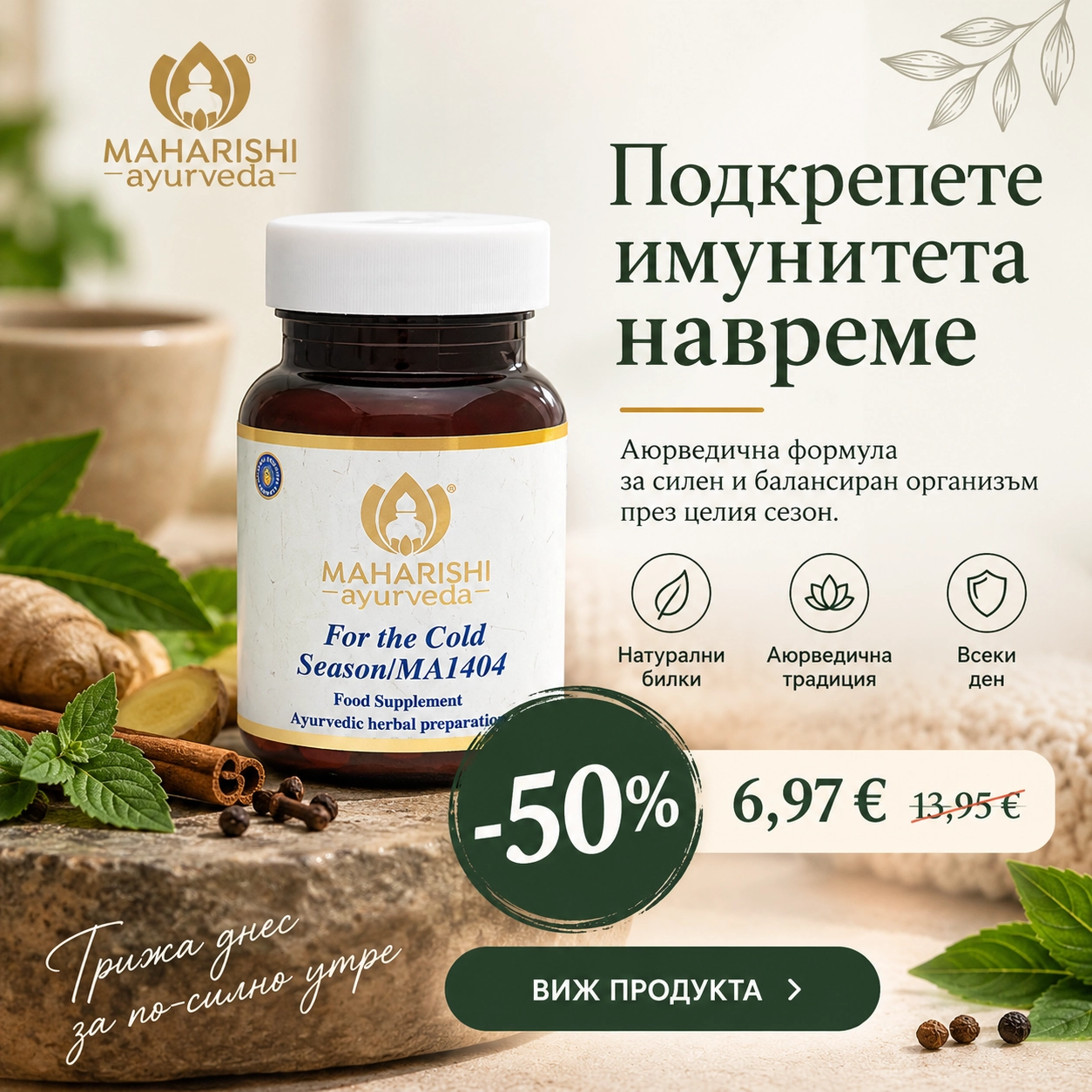
- For the Cold Season
- Cephagrain
- Respimet Syrup
- Koflet
- Koflet Honey (Ginger Flavour)
- Koflet Honey (Orange Flavour)
- Koflet Honey (Lemon Flavour)
- Kofol Honey & Lemon
- Kofol Mint
Joint Care
- Rumalaya Gel
Cognitive Support
- Mentat
Women's Health
- M2-Tone
- Kanchanar Guggul
Cardiovascular Support
- Abana
Other Products
- Vata Dosha Tea
- Pitta Dosha Tea
- Kapha Dosha Tea
- Kapha Balance
- Urtiplex
- Obenyl
Conclusion
With a history spanning thousands of years and an important place in both traditional medicine and everyday cuisine, ginger remains one of the world's most valued medicinal herbs. Its rich natural composition, broad traditional use and central role in Ayurveda make it a popular choice for people seeking botanicals with both a long-standing tradition and growing scientific interest.









Post comment